Wedding Cake Delivery and Venue Placement: What to Expect
There’s a part of the wedding cake process that most people don’t think about until the last minute.
How it actually gets to the venue.
For smaller cakes, this might seem straightforward. But as soon as scale, structure, and detail come into play, delivery becomes a considered part of the overall commission.
Transport is only part of it
A wedding cake isn’t simply boxed and dropped off.
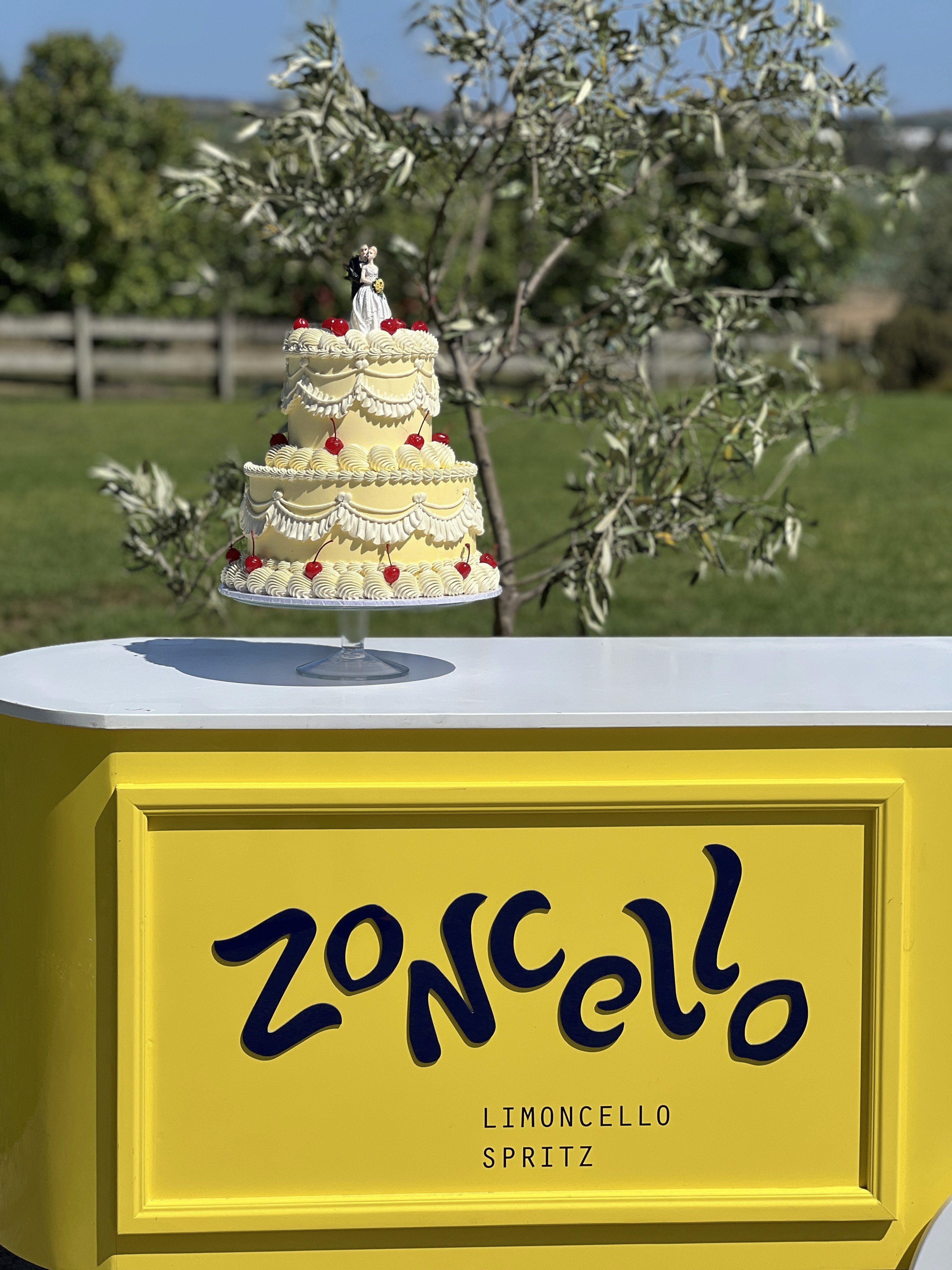
Larger cakes are rarely transported as a single piece. Tiers are often delivered separately and assembled on site to maintain structure and finish. This allows for adjustments to be made in real time, ensuring everything is presented as intended.
Timing also matters. Delivery is coordinated around venue access, setup windows, and other suppliers working within the space.
If you’re still working through how the cake should function within your wedding, it can help to understand how to choose a wedding cake that fits your plans.
What happens on arrival
Once at the venue, the focus shifts from transport to placement.
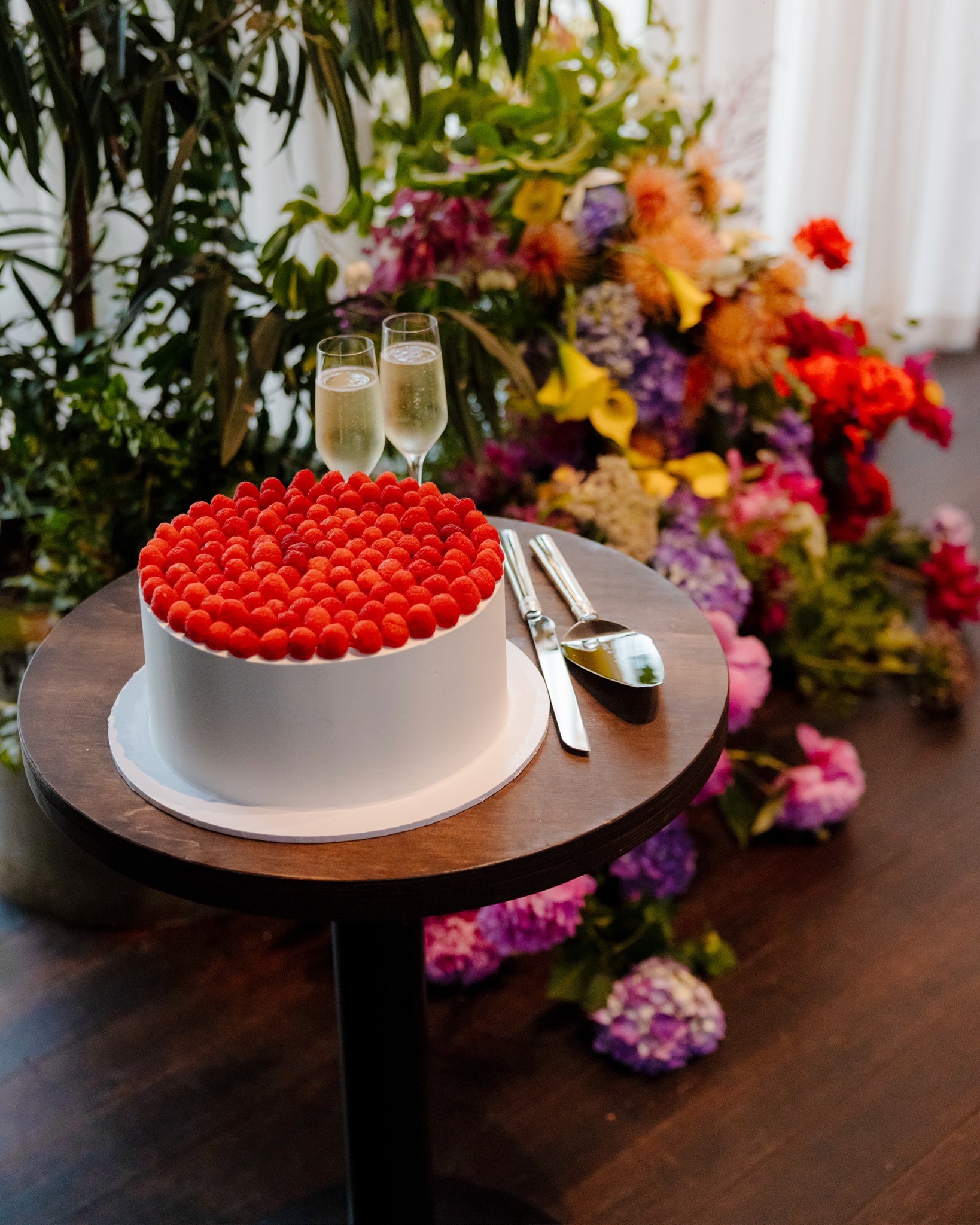
The cake isn’t just positioned, it’s considered within the environment. Table styling, florals, lighting, and surrounding elements all influence where and how it’s presented.
In many cases, final touches are completed on site to ensure the cake sits naturally within the overall setup.
Venue requirements and coordination
Many venues require documentation before allowing external suppliers onsite.
This can include public liability insurance, kitchen registration, and food safety certification. These documents are typically submitted in advance and form part of the coordination process leading up to the wedding.
It’s a standard part of working within established venues, particularly those with in-house catering teams or stricter access requirements.
Behind the scenes, production is carried out in a council registered kitchen that is regularly assessed to ensure compliance with food safety standards. Insurance is maintained, and documentation is kept up to date so there are no delays or issues on the day.
While this isn’t always visible, it’s essential to ensuring the cake is delivered and set up without disruption.
Why this is part of the overall cost
Delivery and venue placement are not fixed services.
They vary depending on:
location
access requirements
setup complexity
scale of the design
A venue in central Melbourne will differ from one in the Yarra Valley or Mornington Peninsula, both in travel and coordination.
This is why transport and placement are treated as part of the overall commission, rather than a flat add-on.
If you’re looking at how this fits into the total cost of a wedding cake, it helps to understand how pricing is structured more broadly.
Removing risk on the day
One of the biggest benefits of professional delivery is removing responsibility from you.
There’s no need to organise transport, manage timing, or coordinate setup with the venue. Everything is handled as part of the process, ensuring the cake arrives and is presented exactly as planned.
What to expect moving forward
Delivery and venue placement are considered from the beginning, not added at the end.
They’re factored into the design, the structure, and the overall plan for the day. This ensures the final result feels cohesive, rather than something that’s been fitted in afterwards.
If you’d like to explore a wedding cake design that considers both the visual direction and how it will be delivered and presented, you can enquire here to begin the process.